
Tolerance Workbook: A Leadership Culture Resource
Organizational culture is not defined by stated values.
It is shaped by what leaders like you tolerate in day-to-day operations, decision-making, and behaviour.
Tolerance - both explicit and implicit - signals what really matters around here.
The true priorities, the real boundaries, and the actual consequences.
Over time, tolerated behaviours become normalized and influence how work is done, how risk is managed, and how accountability is enforced.
This is a practical worksheet not a theoretical discussion.
Something you ACTION versus DISCUSS.
This resource is for:
Executive leaders and senior leadership teams
Founders and startup leadership groups
Functional leaders shaping local culture
Leadership offsites and strategy sessions
Change management practitioners
The workbook can be used at an organizational, function, or team level.
If you're keen to build a culture that drives - versus impedes - your success, start here.
It's time to become intolerant.

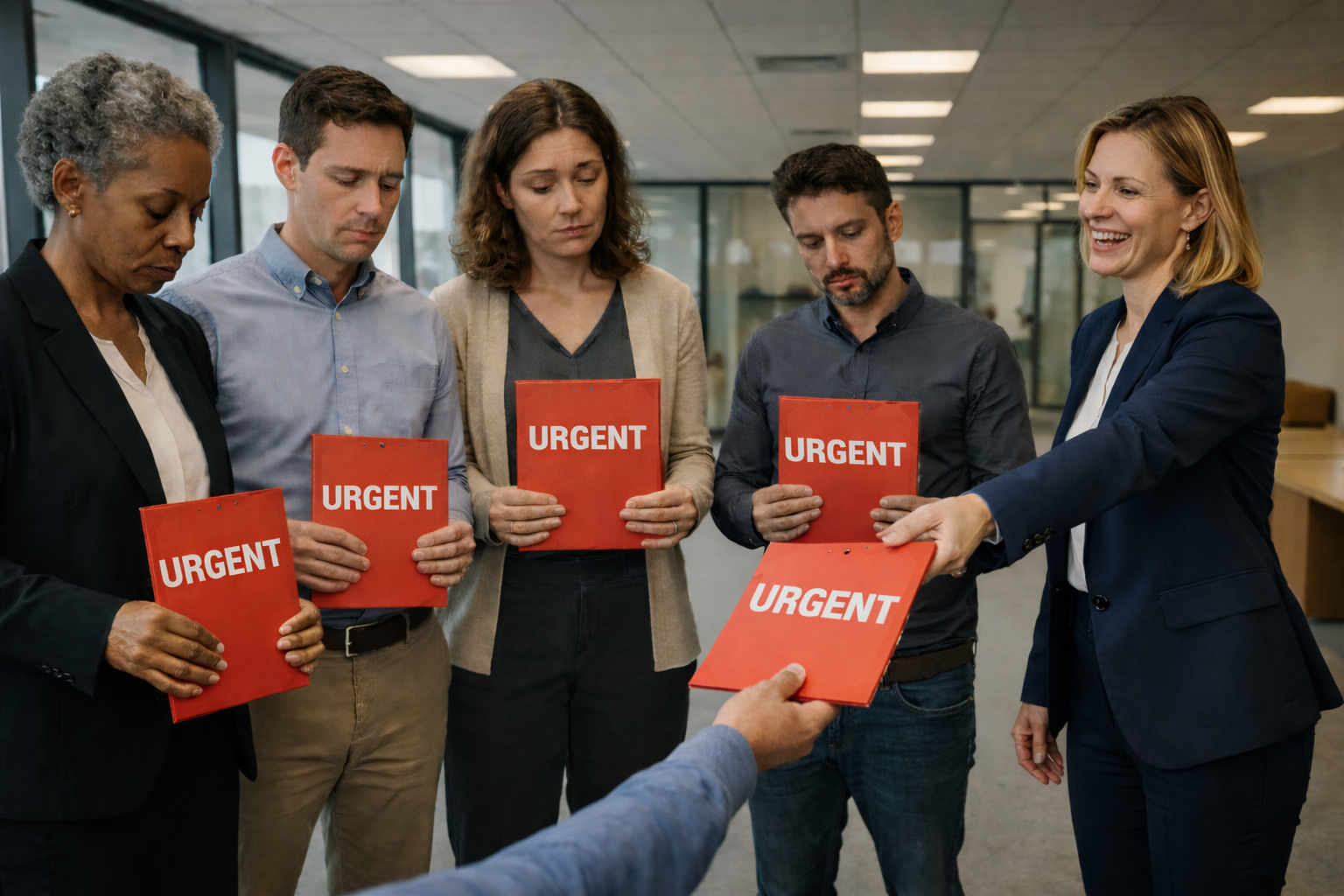
ZERO PRIORITIZATION
When we tolerate a culture where everything is a priority, team focus is lost, zombie projects continue and opportunity costs rise.

The HiPPO Syndrome
When only the Highest Paid Person’s Opinion (HiPPO) matters, we stifle new ideas, new perspectives and new opinions. New employees learn their input is not welcomed. Participation and innovation evaporate

NO BOUNDARY BOSSES
When we tolerate team members with no boundaries and an “Always Own” mentality, engagement and commitment falter. Fatigue and resentment rise. High performers look to leave.
TIME TO BECOME INTOLERANT
Download the Leader Workbook with instructions on how to identify and address the behaviours that are holding your culture back.
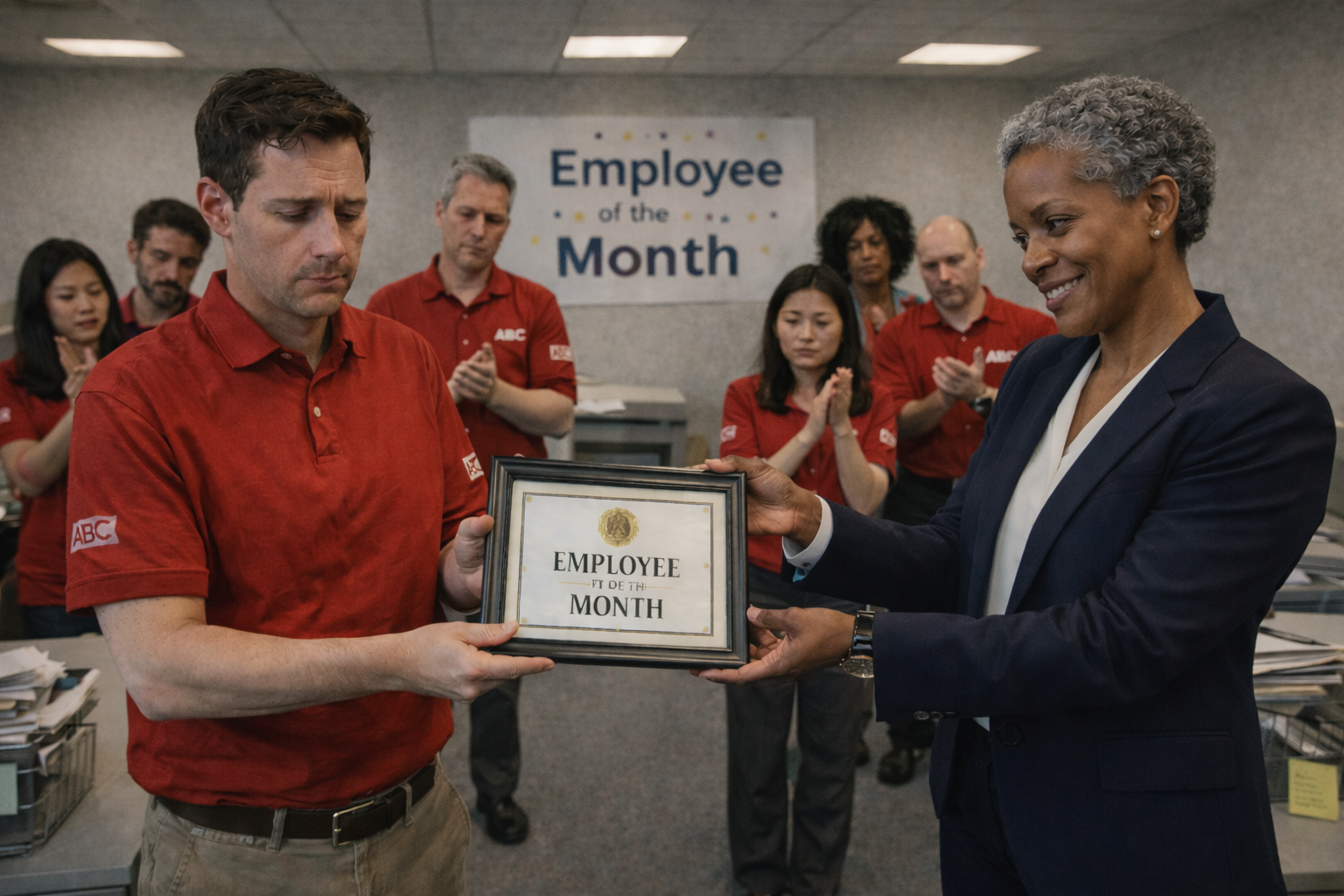
BURNOUT AS A BADGE
When we tolerate - and celebrate - visible fatigue we create a culture where burnout is a badge. Work quality drops, employee cynicism rises and attrition scales.

PRESENTEEISM VS PERFORMANCE
When we tolerate being visible versus adding value, we define where time and energy should be spent. Productivity and engagement decline. Collaboration becomes a performative act.